Our Philosophy
What is Reggio Emilia?
Reggio Emilia is an early childhood education philosophy that originated in northern Italy following World War II. In the rubble of a devastated community, a group of parents determined to build something better for their children constructed a school from the ground up. A young educator named Loris Malaguzzi heard about it and helped grow the philosophy from that school into one of the most influential early childhood education movements in the world.
At its core is a simple but radical idea: that children are not empty vessels waiting to be filled, but capable, curious human beings who arrive with their own theories, questions, and ways of making sense of the world.
The Hundred Languages of Children
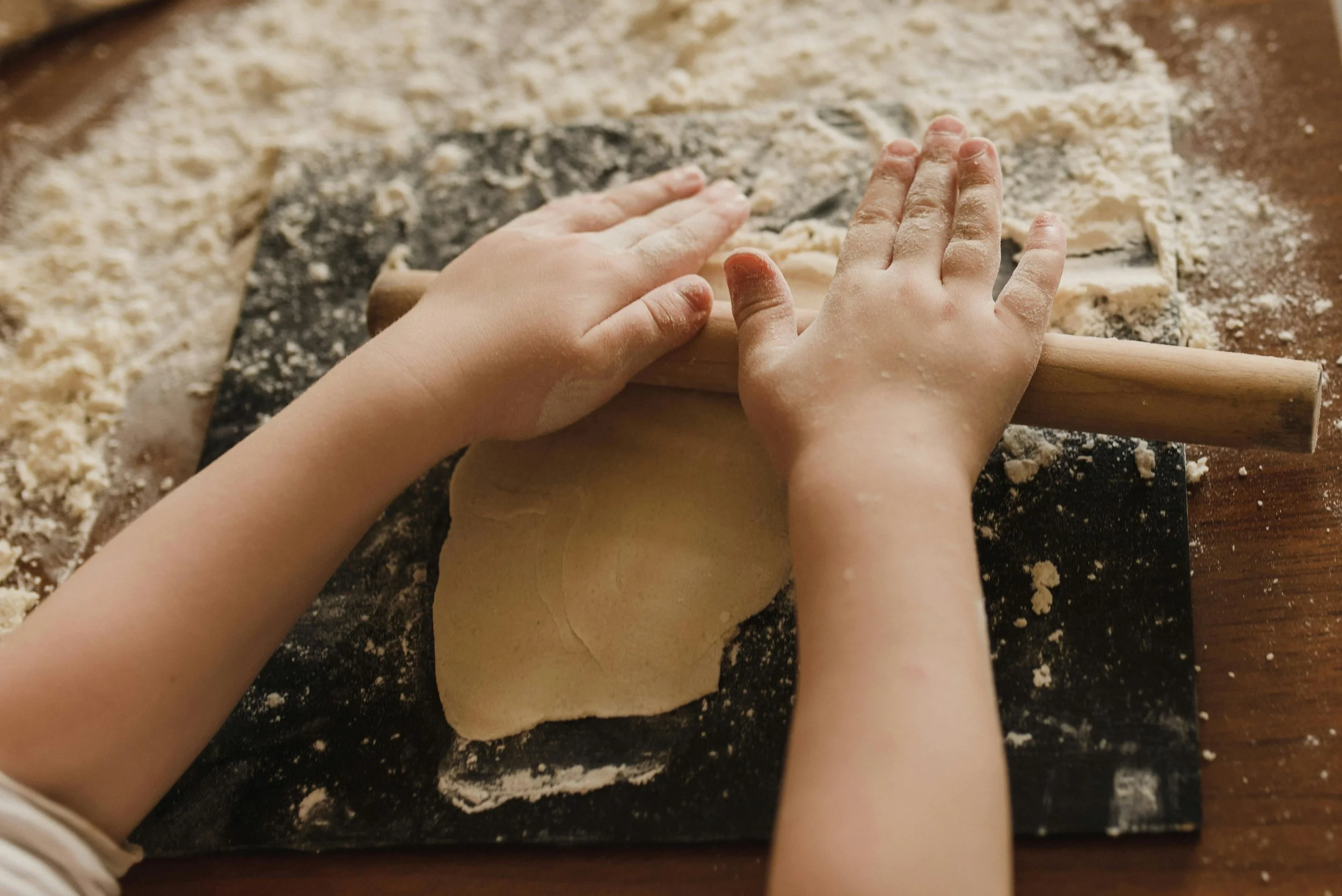
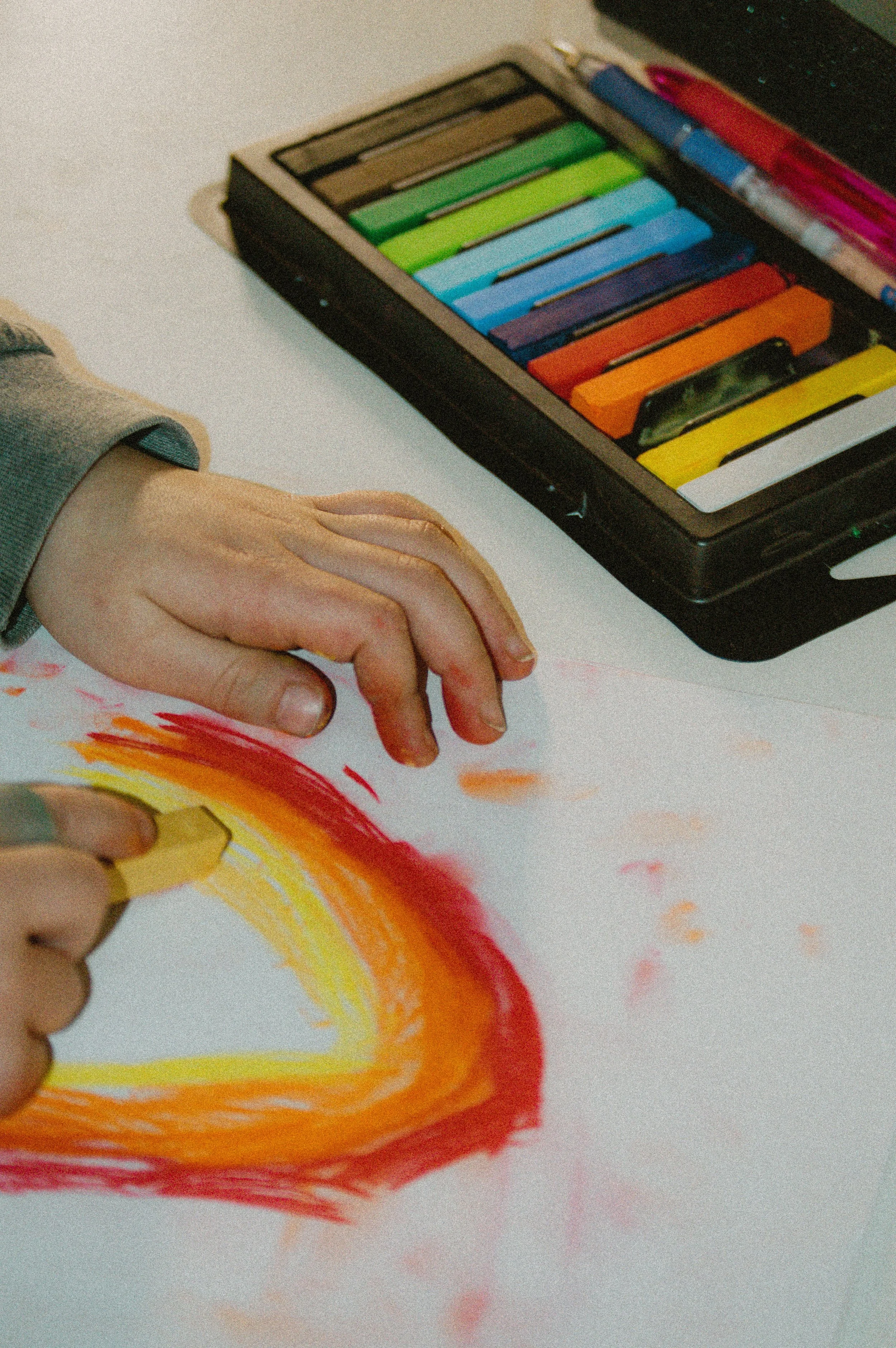
Malaguzzi wrote that children have a hundred languages: a hundred ways of thinking, exploring, and expressing who they are. Drawing, building, dancing, storytelling, mixing colors, digging in soil are the moments learning happens.
At Glenwood, we work to keep all hundred languages alive. That means offering open-ended materials, unhurried time, and the freedom to follow our children’s ideas wherever they lead.

No Fixed Curriculum
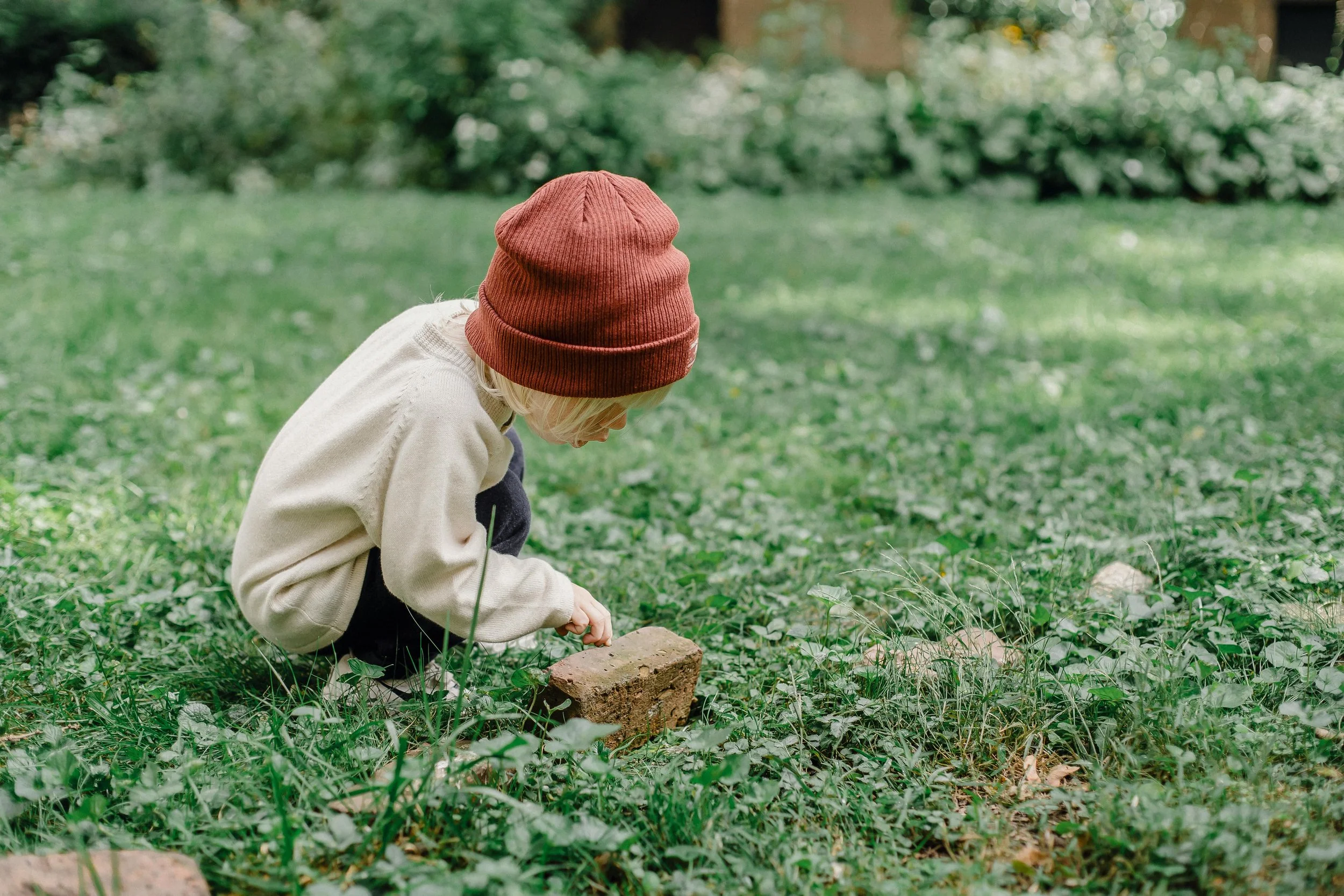
In a Reggio-Emilia inspired classroom, the curriculum is not planned in advance and handed down from above. Instead, our teachers observe, listen, and notice what children are drawn to, puzzled by, or returning to again and again. Those observations become the starting point for what we explore together.
This doesn't mean the days are unstructured, rather our structure serves the child, not the other way around.
The Environment as a Third Teacher
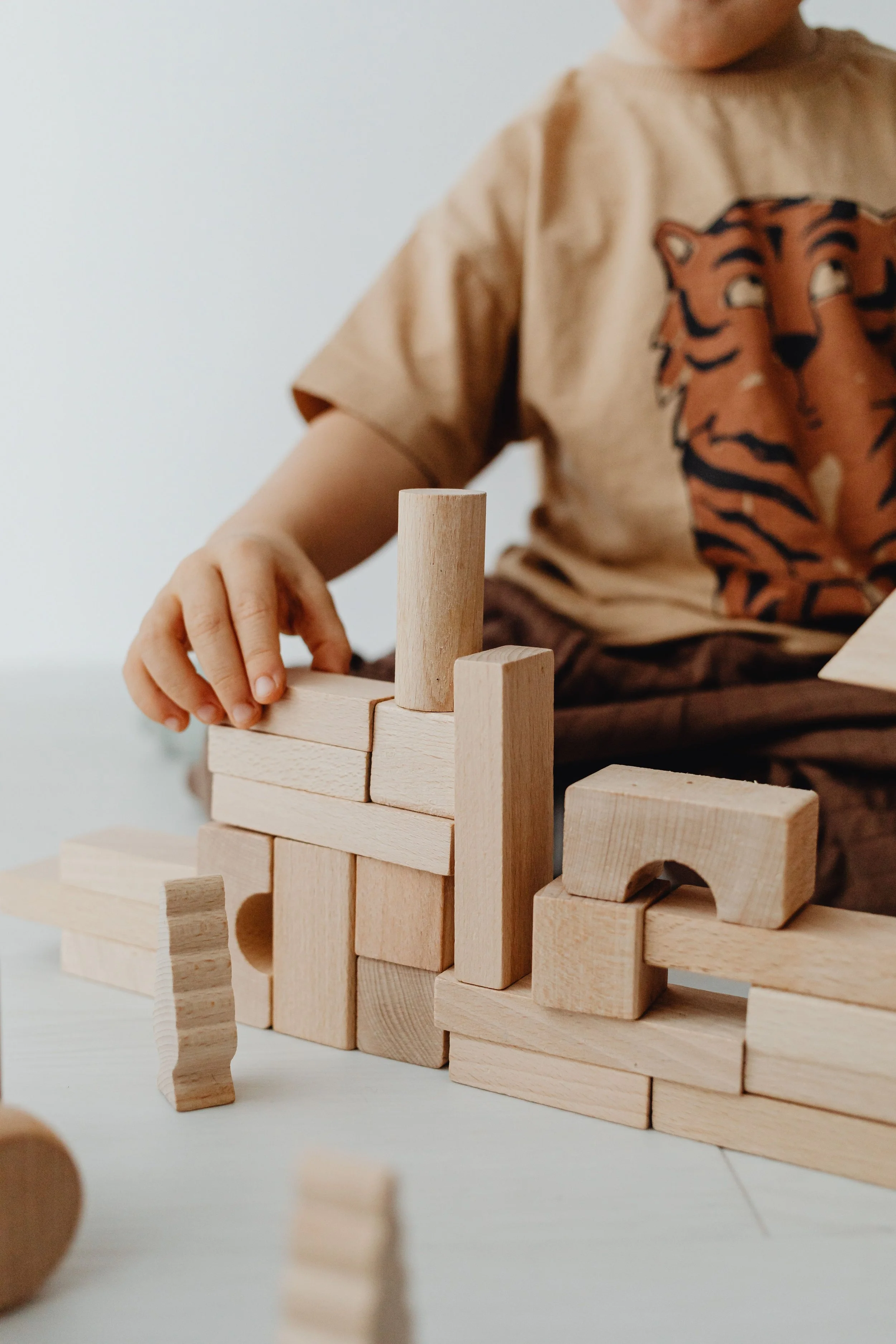
In the Reggio Emilia approach, the environment is considered a teacher in its own right, a third teacher, alongside the child's peers and their adult guides. This is why our spaces are intentionally designed with the natural world as our main inspiration: natural light, organic materials, and beauty at every turn.
A thoughtfully designed environment communicates to our children that Glenwood was made for them. They are expected here, and their curiosity is welcome.

Documentation: Making Thinking Visible
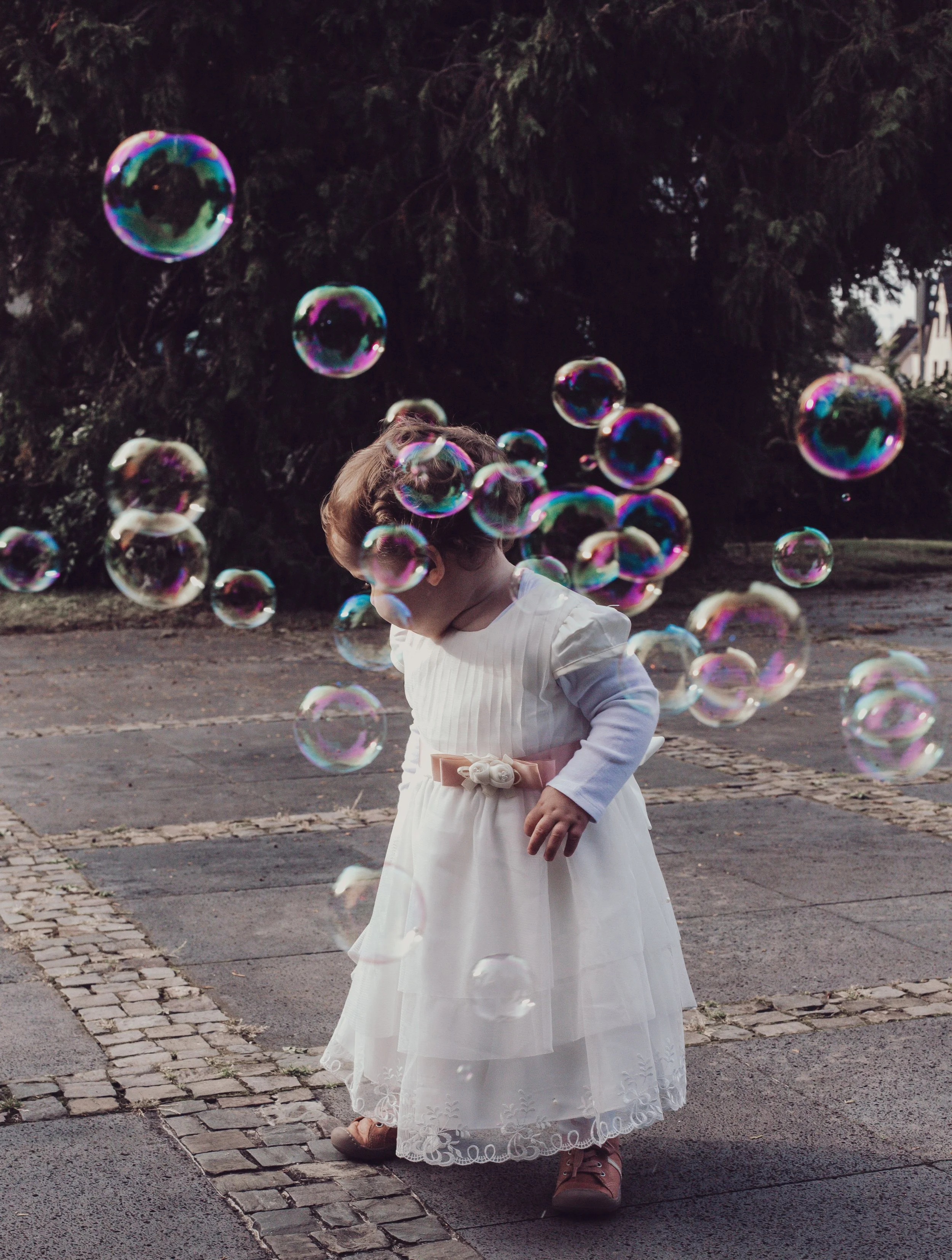
One of the most distinctive practices of the Reggio Emilia approach is documentation: the ongoing process of making children's thinking visible through photographs, written observations, and displaying work in progress.
At Glenwood, documentation is a window. When you see your child's work displayed on a wall alongside a teacher's notes about what they said while making it, you are seeing your child as both a thinker and an artist. It deepens the conversation between families and teachers, and it tells children that their ideas are worth celebrating.
Why Glenwood Children’s Center?
We chose the Reggio Emilia philosophy because it reflects something we believe deeply: that children are already whole. Already capable. Already full of ideas worth taking seriously.
Everything at Glenwood, our space, our materials, the pace of the day, is built around that belief.